Beyond the Grind, Beyond the Desk: Discover the Best Platforms for Freelance Work
The Freelance Economy Is Booming — Here Are the Best Sites to Get Paid

If you’re looking for the best freelance job sites, here’s a quick answer:
| Platform | Best For | Commission |
|---|---|---|
| Upwork | Complex, professional projects | 10-20% |
| Fiverr | Quick, task-based gigs | 20% |
| Freelancer.com | Broad categories, competitive bids | 10-20% |
| Toptal | Elite professionals (top 3% only) | Varies |
| Contra | Beginners and creatives | 0% |
| Jobbers | Direct client work, any category | 0% |
| 99designs | Design contests and creative work | 5-15% |
| Guru | Mid-level professionals | 5-9% |
| Behance / Dribbble | Portfolio-based design work | 0% |
Freelancing is no longer a side hustle for a few risk-takers. It’s gone mainstream — fast.
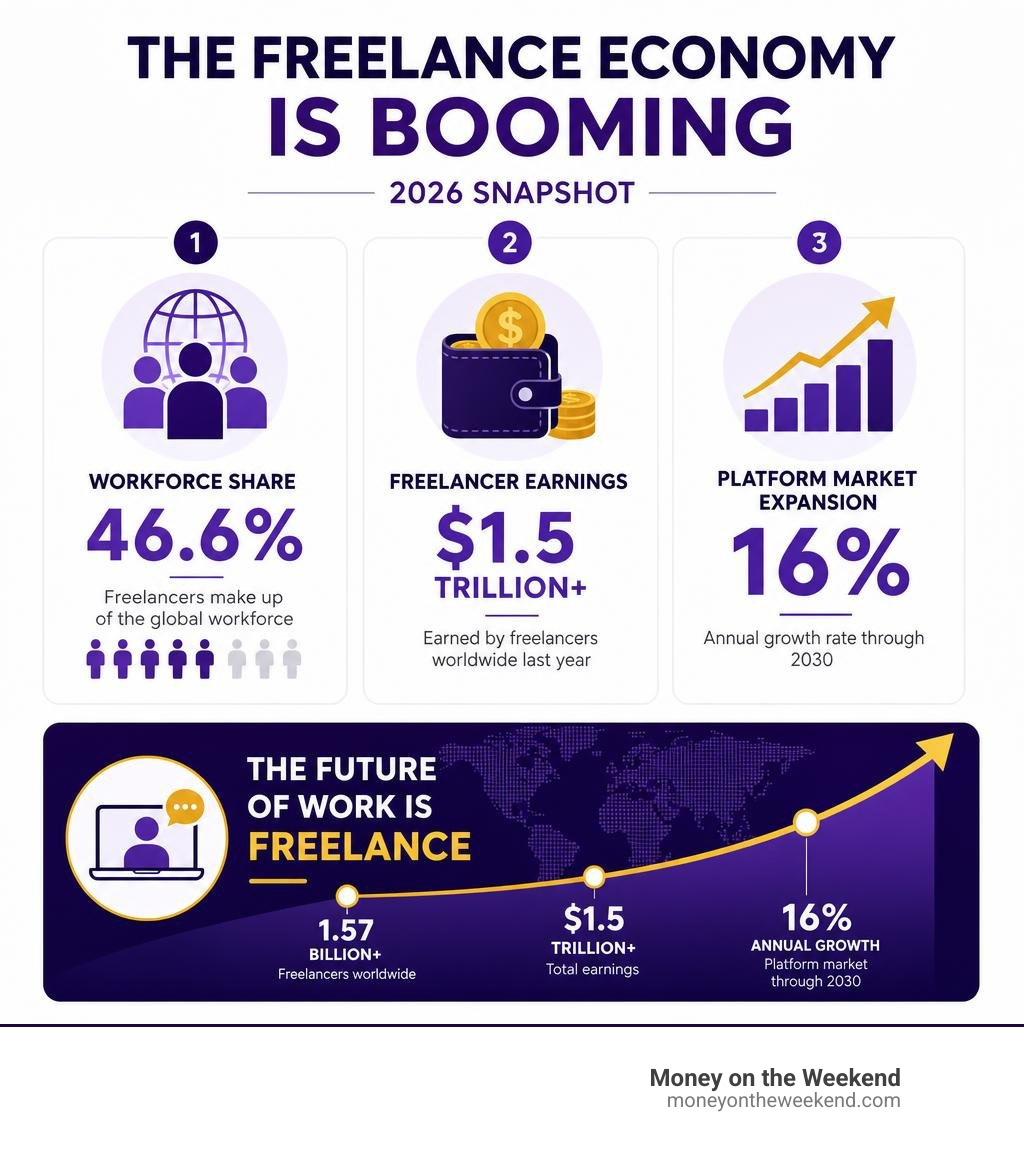
Freelancers now make up 46.6% of the global workforce, with roughly 1.57 billion independent workers worldwide. Together, they earned over $1.5 trillion last year alone. And the platforms connecting them to clients? That market is growing at a 16% annual rate through 2030.
Whether you want to replace your 9-to-5, earn extra income on weekends, or build long-term financial freedom — freelance platforms are one of the most direct paths to getting there. But with dozens of options out there, choosing the wrong one can cost you real money in fees, wasted time, or missed opportunities.
Not all platforms work the same way. Some take a 20% cut of everything you earn. Others charge nothing at all. Some are flooded with low-budget clients. Others connect you with serious businesses willing to pay professional rates.
This guide breaks it all down — so you can find the right platform for your skills, experience level, and income goals.
Must-know best freelance job sites terms:
Navigating the Landscape of the Best Freelance Job Sites in 2026
The world of remote work has evolved significantly. In June 2026, the freelance platform market continues its rapid expansion at a compound annual growth rate (CAGR) of roughly 16% through 2030. This explosive growth means there are more opportunities than ever, but it also means the landscape is increasingly fragmented.
To find the best freelance job sites, you must first understand that platforms generally fall into three distinct categories: traditional marketplaces, zero-commission or direct-connection platforms, and highly specialized niche portals. Each has its own rules of engagement, fee structures, and target client bases.
For a complete breakdown of how these ecosystems operate, check out our Complete Online Freelance Marketplace Guide, which details the mechanics of digital bidding, client acquisition, and global payment systems.
How to Choose the Best Freelance Job Sites for Your Skill Level
Not all freelance platforms are created equal, and trying to land your very first gig on a platform designed for elite, battle-tested professionals is a quick recipe for frustration. Conversely, experienced pros will find themselves spinning their wheels on low-cost “gig” boards.
- For Beginners: If you are just starting out, you want platforms with low barriers to entry where you can quickly build a portfolio, gather testimonials, and learn how to manage client relationships. Platforms like Fiverr, Contra, and traditional job boards are excellent starting points. They allow you to showcase your services without undergoing grueling vetting processes. To explore what kinds of gigs are currently in demand, take a look at our list of Available Freelance Jobs Online.
- For Experienced Professionals: Once you have a proven track record, your goal should be to maximize your hourly rate and work with clients who respect your expertise. This is where vetted marketplaces shine.
- Vetting and Quality Control: High-end platforms use rigorous testing to filter out low-quality talent. For example, Toptal is famous for its screening process, selecting only the top 3% of applicants to join their platform. While difficult to crack, passing these hurdles instantly positions you as a premium service provider, allowing you to command top-tier corporate rates.
Traditional Marketplaces: Upwork, Fiverr, and Freelancer
Traditional marketplaces are the giants of the gig economy. They act as full-service intermediaries, handling everything from job postings and communication to secure payments and dispute resolution.
- Upwork: Formed from the historic merger of Elance and oDesk, Upwork remains a powerhouse trusted by over 800,000 clients. It is highly recommended for complex, strategic, and long-term projects because of its robust client screening tools, search filters, and professional talent pool. Whether you are a software architect or an expert marketer, Upwork provides the infrastructure to run a legitimate agency-style business. You can explore their ecosystem directly at Upwork | Hire Top Freelance Talent with Confidence.
- Fiverr: Fiverr completely flipped the traditional bidding model on its head. Instead of clients posting jobs and freelancers bidding on them, freelancers list defined “gigs” (e.g., “I will design a custom logo for $50”) and clients buy them directly. While it famously started as a $5-only marketplace, Fiverr has evolved to support complex, high-ticket services exceeding thousands of dollars. It is the ultimate platform for quick, executional tasks. To see how services are packaged, visit Fiverr | Freelance services marketplace | Find top global talent.
- Freelancer.com: Boasting a massive global talent pool of over 88.5 million professionals, Freelancer.com is built for speed and volume. One of its most striking statistics is that 80% of jobs receive bids within 60 seconds of being posted. It supports over 2,700 different service categories, making it a highly diverse marketplace. Learn more or search for active postings at Hire Freelancers & Find Freelance Jobs Online | Freelancer.
Commission-Free vs. Traditional Freelance Marketplaces

One of the biggest pain points for modern independent workers is the “platform tax.” Traditional marketplaces charge significant fees to keep their operations running, secure escrow payments, and turn a profit.
For example, Fiverr charges a flat 20% commission fee to freelancers on every transaction. Similarly, People Per Hour charges a 20% fee for all services up to $350. When you are trying to build momentum, losing one-fifth of your hard-earned income to a middleman can feel incredibly discouraging.
Because of this, we are seeing a massive shift toward alternative business models that bypass these traditional fees entirely.
The Rise of Zero-Commission Platforms like Jobbers and Contra
A new breed of freelance platforms is challenging the status quo by offering zero-commission structures. These sites believe that freelancers should keep 100% of what they earn, shifting the monetization model away from transactional cuts.
- Jobbers: This platform connects clients and professionals directly. Jobbers takes absolutely zero commission from your earnings. Instead of acting as an active intermediary that holds funds and restricts communication, Jobbers allows you to message clients directly, negotiate your own terms, and arrange payments using whatever method you prefer (such as PayPal, Stripe, or direct bank transfers). They monetize through optional paid featured packs that give freelancers extra visibility on the platform. You can check out their unique model at Jobbers: Freelance websites without commission | Remote jobs ….
- Contra: Contra is another rapidly growing, commission-free platform designed specifically for the modern creative and digital professional. It acts as a sleek, professional portfolio and project management hub where you can write contracts, manage inquiries, and receive payments with 0% platform fees.
By eliminating the middleman, these platforms allow for much more direct and transparent collaboration. To understand how to position your skills on these modern networks, check out our guide on Online Freelance Services.
Pros and Cons of Bypassing Traditional Platform Fees
While keeping 100% of your paycheck sounds like a no-brainer, bypassing traditional marketplaces comes with distinct trade-offs that you must carefully consider.
The Pros:
- Higher Profit Margins: You keep every single dollar you negotiate. Over a year, saving 10% to 20% in fees can add thousands of dollars back into your pocket.
- Direct Client Relationships: You are not forced to keep your communication trapped inside a clunky platform app. You can jump on a phone call, meet in person, or exchange emails freely.
- Price Flexibility: Because you don’t have to factor platform fees into your pricing, you can offer more competitive rates to clients while maintaining your target take-home pay.
The Cons:
- No Escrow Protection: Traditional sites use secure escrow systems—meaning the client must fund the project before you start working, and the platform guarantees you get paid if you deliver. On commission-free sites like Jobbers, you must manage your own invoices, contracts, and payment collections. If a client refuses to pay, the platform will not step in to resolve the dispute.
- Fewer Automatic Leads: Traditional platforms invest millions of dollars in advertising to bring clients directly to their search engines. On zero-commission platforms, you often have to be more proactive about marketing yourself or paying for visibility upgrades (like featured profile packs).
Niche Alternatives and Industry-Specific Platforms

While general marketplaces are great for broad categories, they can often feel like digital shouting matches. If you possess highly specialized, technical, or creative skills, you will often find better clients and higher pay on industry-specific platforms.
Niche platforms filter out the noise. Clients who use these sites are specifically looking for expert talent and are usually prepared to pay professional rates because they understand the value of specialized work.
Specialized Portals for Writers, Designers, and Photographers
Creative professionals have some of the most robust niche networks available online today.
- For Designers: Platforms like Behance and Dribbble are primarily portfolio-showcasing websites, but they have evolved into powerful job boards. Instead of submitting dry text proposals, designers get hired based on the visual quality of their public portfolios. For structured creative work, design contest sites like 99designs connect clients with graphic artists through competitive design briefs.
- For Writers: Finding high-paying writing gigs requires moving past low-cost content farms. Writers can find specialized, high-tier editorial, copywriting, and technical writing roles by looking at curated job boards. If you want to refine your offerings, read our breakdown of Available Online Writing Jobs and explore how to package your expertise with Freelance Copywriting Services.
- For Photographers: Photography is a highly visual and localized medium that requires specialized platforms to connect with editorial, commercial, or event clients. To learn how to turn your camera skills into a lucrative independent business, check out our guide on Freelance Jobs Photography.
Technical and Engineering Opportunities on Niche Sites
Engineers, developers, and technical consultants require platforms that understand the complexity of their work. Clients looking for mechanical, electrical, or software engineering talent need to know that the freelancers they interview have been thoroughly vetted.
If you have a background in technical fields, general marketplaces can sometimes undervalue your highly specialized training. To find platforms that cater specifically to your technical background, read our dedicated guides on the Best Freelancing Sites for Engineers and Freelance Jobs for Electrical Engineers.
Additionally, if you specialize in digital marketing and search engine optimization, the landscape requires a strategic approach to client acquisition. You can learn how to structure high-ticket retainer contracts using our Freelance SEO Services Complete Guide.
How to Maximize Success and Avoid Pitfalls
No matter which of the best freelance job sites you choose, your success ultimately depends on how you run your freelance business. Simply creating a profile and waiting for the money to roll in is a guaranteed way to fail. You must treat freelancing as a real business—which means managing client relations, continuous learning, investing in your personal brand, and maintaining a smart multi-platform strategy.
Red Flags to Watch Out For on the Best Freelance Job Sites
As the freelance economy grows, so does the number of bad actors. To protect your time and money, keep an eye out for these common red flags:
- Clients Demanding Free Work: Never complete “test articles” or “sample designs” for free unless it is a very brief, standard test that is clearly defined and protected. Your portfolio should speak for itself.
- Attempts to Bypass Platform Security Too Early: If a client on a traditional platform like Upwork or Fiverr insists on moving communication or payments off-platform before a contract is officially started, be highly suspicious. This is a common tactic used by scammers to avoid escrow requirements.
- Unrealistic Rates or Vague Project Briefs: Projects that offer massive payouts for incredibly simple tasks are almost always scams. Similarly, clients who cannot clearly define what they want will often demand endless, unpaid revisions later on.
- Account Suspension Risks: Make sure you thoroughly read the Terms of Service (ToS) of whatever platform you use. Violating communication restrictions or sharing personal contact info prematurely can result in your account being permanently suspended, wiping out your built-up reviews overnight.
Best Practices for Winning High-Paying Clients
To stand out from the massive global competition and secure premium, recurring contracts, implement these proven strategies:
- Use Highly Tailored Proposals: Avoid the auto-proposal systems that flood job posts with generic, AI-generated bids within seconds. Clients can spot these instantly. Instead, read the job description carefully, address the client’s specific pain points, and ask 1-2 thoughtful screening questions to show you actually care about their project.
- Build a Hyper-Focused Portfolio: Don’t try to be a jack-of-all-trades. A client looking for a “real estate copywriter” will always hire the specialist over a general “content writer.” Segment your portfolio to target specific industries.
- Focus on Repeat Clients: The easiest way to grow your freelance business is to stop constantly hunting for new clients. Deliver exceptional work, communicate proactively, and offer ongoing support to turn one-off projects into predictable, monthly retainers.
Frequently Asked Questions about Freelance Platforms
How do payment protection and escrow systems work on freelance sites?
Traditional freelance platforms use an escrow system to protect both parties. When a contract begins, the client must deposit the agreed-upon funds into the platform’s secure account. As the freelancer, you can work with peace of mind knowing the money is verified. Once you submit the completed work and the client approves it, the platform releases the funds to your account. If a dispute arises, the platform acts as an arbitrator to review the deliverables against the original contract scope.
What are the most common complaints freelancers have about major platforms?
The most frequent complaints center around high transaction fees (often up to 20%), intense global price competition, and clunky automated proposal systems. On sites like Freelancer.com, freelancers often complain about auto-bidding bots that make it difficult for real human proposals to get noticed. Additionally, sudden account suspensions without clear explanations are a common source of frustration for those who rely solely on a single platform for their livelihood.
How do design contest sites differ from traditional job boards?
On traditional job boards, a client reviews portfolios, hires a freelancer, and collaborates with them to create a design. On design contest sites like 99designs or CrowdSpring, the client posts a detailed brief and a set prize amount. Dozens of designers then submit actual, completed designs (speculative work) based on the brief. The client chooses their favorite design, and only the winning designer gets paid. While great for clients looking for diverse ideas, contest sites can be highly competitive and risky for freelancers who may spend hours working on designs without any guarantee of payment.
Conclusion
Finding the best freelance job sites is all about matching your unique skills and experience with the right platform model. Whether you choose the massive client reach of Upwork, the streamlined gig structure of Fiverr, or the commission-free freedom of Jobbers, the opportunities to build a profitable independent career have never been greater.
At Money on the Weekend, we are dedicated to helping you break free from the traditional 9-to-5 grind. By leveraging your spare time to build passive income streams, master digital marketing, and land high-paying freelance gigs, you can take complete control of your financial future.
Ready to take the next step toward financial independence? Dive into our comprehensive Money on the Weekend Make Money Online Guide and start building your digital income empire today!