
Why Freelance Engineering Is Your Path to Weekend Income
Freelance jobs for electrical engineers offer flexible opportunities to earn extra income on your schedule, from designing circuit boards to developing automation systems. The gig economy has created unprecedented access to high-paying technical projects that can be completed remotely, often in just a few hours per week.
Quick Answer: Where to Find Freelance Jobs for Electrical Engineers
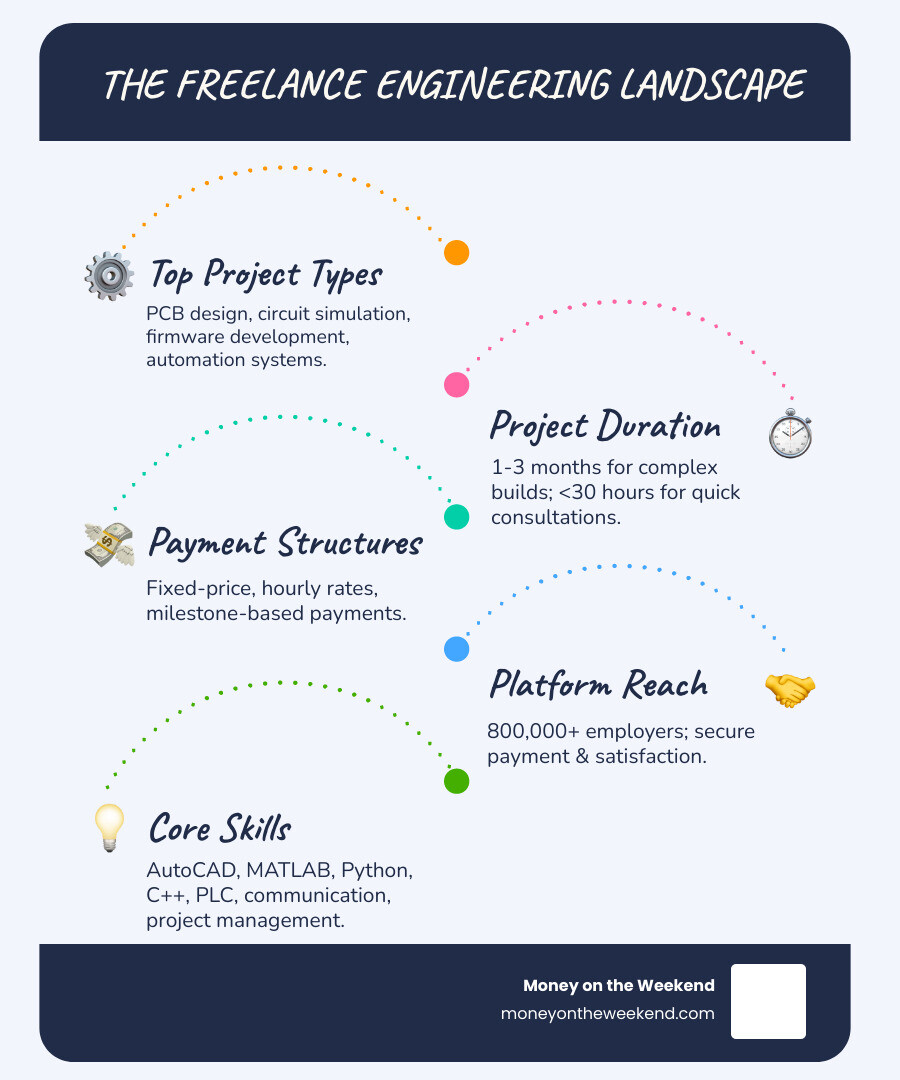
- Online Marketplaces – Platforms like Freelancer.com, Guru.com, and Fiverr connect engineers with clients worldwide (800,000+ employers actively hiring)
- Specialized Platforms – Kolabtree focuses on technical and scientific expertise with PhD-level professionals
- Professional Networks – LinkedIn job boards list 1,000+ freelance electronics engineer positions
- Direct Client Outreach – Build your own client base through portfolio websites and networking
Average Earnings: $50-$150+ per hour, with projects ranging from $500 to $10,000+
The numbers tell a compelling story. Over $250 million has been paid to freelancers on major platforms, with electrical engineers consistently rated 4.9 out of 5 stars from tens of thousands of client reviews. Whether you’re designing PCB layouts, programming microcontrollers, or creating electrical plans for buildings, businesses need your expertise and are willing to pay for it.
The shift from traditional 9-to-5 engineering roles to flexible freelance work isn’t just a trend—it’s a response to real market demand. Companies increasingly prefer hiring specialized freelancers for specific projects rather than maintaining full-time staff. This creates a perfect opportunity for engineers looking to build weekend income without leaving their day jobs.
You don’t need to quit your current position to start. Many successful freelance engineers begin with small projects—a few hours here, a weekend there—gradually building their reputation and client base. The technical skills you already possess are valuable in the freelance market. You just need to know where to look and how to position yourself.
Freelance jobs for electrical engineers glossary:
What Kinds of Freelance Engineering Projects Are Out There?
The world of freelance engineering is vast, offering a remarkable diversity of projects that cater to various specializations and interests. Whether you’re looking for short-term contracts to fill your evenings or long-term engagements that could become a significant part of your income, the gig economy has something for every engineer. Businesses are increasingly seeking external expertise for specific tasks, recognizing the cost-effectiveness and access to specialized skills that freelancers provide. This trend allows us to leverage our engineering knowledge to start a business or supplement our income.
Electrical and Electronics Engineering Projects
For freelance jobs for electrical engineers, the opportunities are particularly abundant. Our research shows a high demand for a wide array of skills, from fundamental circuit design to advanced power systems. Here are some common projects you might encounter:
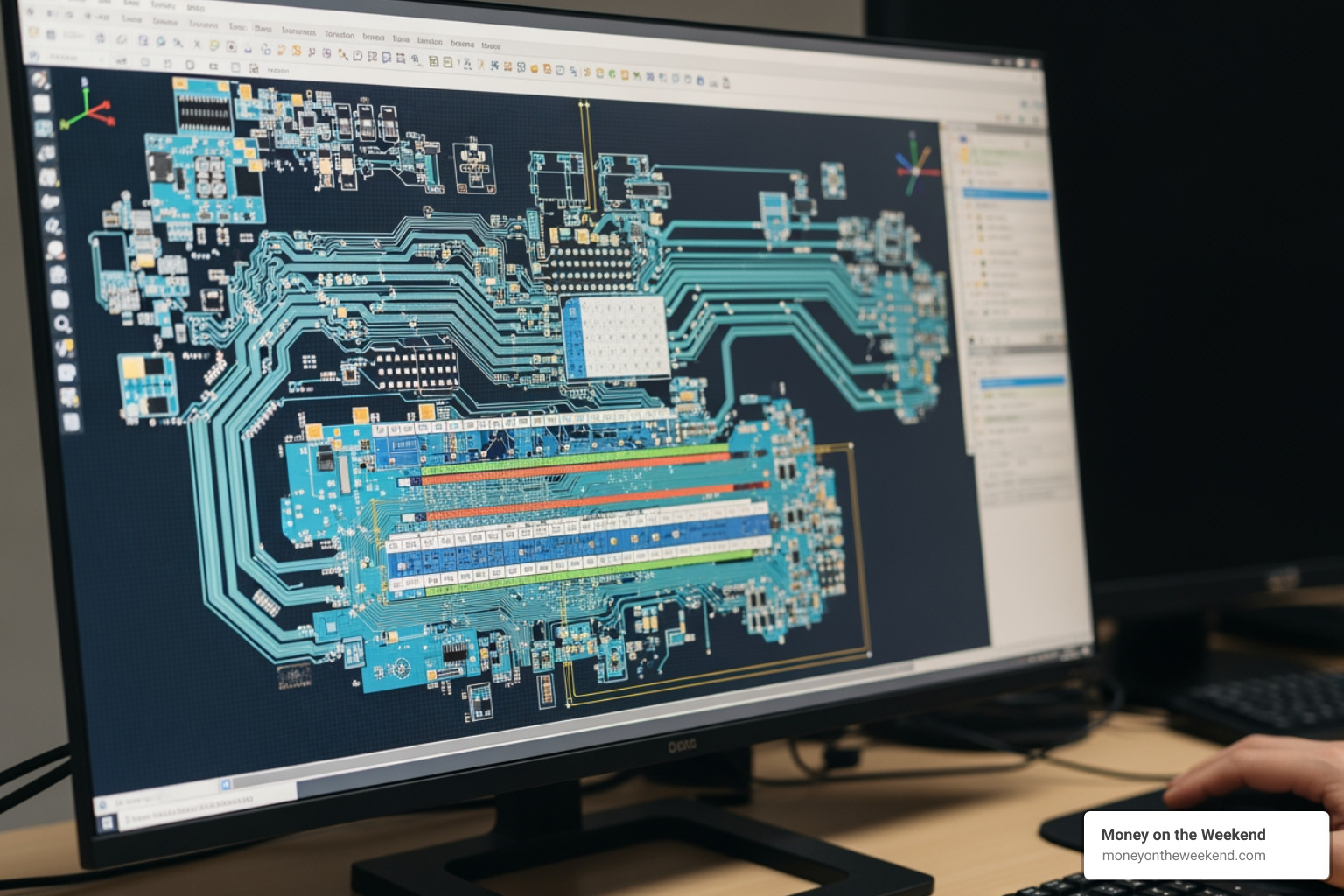
- PCB Design and Layout: Companies frequently need experts to design Printed Circuit Boards (PCBs) for new electronic devices or to optimize existing ones. This includes creating schematics, selecting components, and laying out the board for manufacturing. Projects often specify software like Altium Designer or KiCad.
- Circuit Design: Beyond just PCBs, engineers are needed to conceptualize and design electrical circuits for various applications. This could involve anything from DC-DC converters and power-efficient circuits to complex embedded systems and RF designs.
- Power Systems Analysis and Design: This niche involves designing and analyzing electrical power systems, including renewable energy solutions like solar power plant design and simulation, or even substation design. We often find requests for load calculations, single-line diagrams, and panel schedules for residential, commercial, and mixed-use buildings.
- Renewable Energy Systems: With a global push towards sustainability, projects involving solar PV design, off-grid systems, and energy capture technologies are highly sought after.
- Embedded Systems and Firmware Development: Many modern devices rely on embedded systems. Freelancers are tasked with writing firmware for microcontrollers (like Arduino, ESP32, PIC, STM32), developing IoT devices, and integrating sensors and control boards. Programming languages like C/C++ and Python are essential here.
- Automation and Control Systems: This area includes designing industrial control systems, PLC programming, and creating automation solutions for machinery. Examples range from rewiring industrial equipment to developing smart home automation.
- Lighting Design: Designing efficient and aesthetically pleasing lighting plans for various settings, often incorporating CAD drafting and load estimations.
- Technical Writing and Documentation: Translating complex technical specifications into clear documentation, creating wiring diagrams, parts lists, and user manuals.
- CAD Drafting and BIM Modeling: Utilizing software like AutoCAD and Revit MEP to create detailed electrical drawings, MEP plans, and Building Information Models.
These projects highlight the critical need for electrical engineers to have an adept understanding of electricity, circuits, and electrical products. Our skills are vital for developing, designing, and operating electrical systems safely and efficiently.
Computer Engineering Projects
While our primary focus is on freelance jobs for electrical engineers, the lines between electrical and computer engineering often blur, creating additional opportunities. As electrical engineers, our strong foundation in hardware makes us uniquely qualified for many computer engineering projects. These can include:
- Software Development for Embedded Systems: Developing the code that runs on specialized hardware, such as microcontrollers in IoT devices or automotive systems.
- Hardware-Software Integration: Ensuring seamless communication and functionality between custom-designed hardware and its controlling software.
- IoT Device Development: Designing and implementing the electrical, firmware, and software components for Internet of Things devices.
- Network Design for Industrial Control: Designing robust and secure networks for industrial automation and control systems.
- Cybersecurity Consulting for Hardware: Identifying vulnerabilities in hardware designs and embedded systems to prevent cyber threats.
- AI and Machine Learning Model Implementation (Hardware-focused): Optimizing AI/ML algorithms to run efficiently on specialized hardware, or designing custom hardware accelerators.
Chemical Engineering Projects
Although less directly related to the core of electrical engineering, the principles of scientific problem-solving and process optimization are universal. If you have a background or interest in chemical processes, you might find opportunities in:
- Process Simulation and Modeling: Using software to simulate chemical processes for optimization or design.
- Technical Documentation: Creating detailed reports, manuals, and specifications for chemical plants or processes.
- Safety Analysis: Conducting hazard and operability (HAZOP) studies or other safety assessments for chemical operations.
- Product Formulation Consulting: Assisting with the development and optimization of chemical product formulations.
- Environmental Compliance Reports: Preparing documentation to ensure chemical processes meet environmental regulations.
These diverse opportunities underscore how our analytical and problem-solving skills, honed in electrical engineering, can open doors to various specialized freelance roles.
How to Find High-Paying Freelance Jobs for Electrical Engineers

Finding high-paying freelance jobs for electrical engineers requires a proactive approach, strategic self-promotion, and effective networking. Businesses choose to hire freelancers for several compelling reasons: it’s cost-effective, provides access to specialized skills on demand, and offers flexibility. This creates a fertile ground for us to offer our expertise and build a thriving freelance career.
Leveraging Online Resources
One of the most straightforward ways to dive into the freelance market is by using reputable online freelance services. These platforms act as bridges, connecting skilled engineers with clients worldwide.
- Creating a Standout Profile: Your profile is your digital storefront. It should clearly showcase your skills, experience, and specialization. Highlight past projects, client testimonials, and any relevant certifications. Clients rate electrical engineers highly, with an average of 4.9 out of 5 stars from tens of thousands of reviews, so a strong profile builds trust.
- Writing Winning Proposals: When a project catches your eye, a compelling proposal is key. It should clearly outline your understanding of the project, your proposed solution, methodology, and how your skills align with the client’s needs. Providing a brief technical plan or estimated cost breakdown, as some projects request, can make your proposal stand out.
- Client Reviews and Ratings: Positive feedback is gold. As you complete projects, encourage clients to leave reviews. These build your credibility and make it easier to secure future work. Many platforms boast millions of paid invoices and hundreds of millions paid to freelancers, demonstrating the active and trustworthy nature of these marketplaces.
- Secure Payment Systems: Major platforms offer secure payment systems, often involving pre-payment by the client into an escrow account. This ensures that we get paid for our work, and clients are protected by only releasing funds upon satisfactory completion of milestones.
The process typically involves posting a project (from the client’s perspective), receiving detailed proposals from experts, discussing requirements, pre-paying for milestones, collaborating in a dedicated workspace, and finally approving deliverables. This structured approach helps ensure smooth transactions and project success.
Tapping into Professional Networks
Beyond dedicated freelance platforms, our professional networks are invaluable sources for finding freelance jobs for electrical engineers.
- Professional Networking Sites: Platforms like LinkedIn are excellent for finding opportunities. We can set job alerts for “Freelance Electrical Design Engineer” roles or “Freelance Electronics Engineer” positions, which frequently appear. Our research shows over 1,000 freelance electronics engineer jobs listed in the United States alone, reflecting a significant demand.
- Industry Forums and Communities: Engaging in online forums, professional associations, and specialized communities allows us to showcase our expertise, answer questions, and build a reputation. Often, project leads or collaboration opportunities arise from these interactions.
- Alumni Networks: Our university alumni networks can be a fantastic resource. Former classmates or professors might be looking for freelance help or can refer us to others who are.
- Attending Virtual Conferences and Webinars: Even remotely, these events offer networking opportunities to connect with potential clients or collaborators in our field.
Direct Outreach and Building a Client Base
For those looking to build a more independent freelance business, direct outreach and cultivating a personal client base can be highly rewarding.
- Identifying Potential Clients: Research companies in sectors that frequently require electrical engineering expertise, such as renewable energy, manufacturing, product development, or smart infrastructure.
- Cold Emailing and Customized Pitches: Craft personalized emails to decision-makers, highlighting how our specific skills can solve their current challenges. Showcase a clear understanding of their business needs.
- Content Marketing: Share our expertise through blog posts, articles, or technical guides on our own website or industry publications. This positions us as an authority and attracts clients organically.
- Building a Portfolio Website: A professional website that showcases our best projects, case studies, and client testimonials is crucial. It acts as a powerful marketing tool, demonstrating our capabilities and success.
- Showcasing Case Studies: Detailed case studies that explain the problem, our solution, and the positive outcomes for previous clients are incredibly persuasive.
Building a robust freelance business takes time and consistent effort, but the financial independence and flexibility it offers are well worth it. It’s one of the 10 businesses you can start on a budget in 2024 that leverages our existing high-value skills.
Building Your Freelance Toolkit: Essential Skills and Qualifications
To excel in freelance jobs for electrical engineers, we need more than just a deep understanding of electrical principles. A well-rounded toolkit includes not only technical proficiency in specific software and hardware but also a suite of crucial soft skills. The freelance landscape is constantly evolving, making continuous learning a non-negotiable part of our journey. We can find valuable resources in our learn guides to help us stay sharp.
What Skills Do You Need for Freelance Jobs for Electrical Engineers?
The demand for electrical engineering freelancers spans a wide range of technical specializations. However, clients also highly value interpersonal and project management abilities. Here’s a comparison of essential skills:
| Technical Skills | Soft Skills |
|---|---|
| AutoCAD (Electrical, MEP, drafting) | Communication (clear, responsive) |
| MATLAB/Simulink (circuit simulation, analysis) | Project Management (organization, deadlines) |
| Altium Designer / KiCad / Eagle (PCB design) | Problem-Solving (identifying issues, solutions) |
| Python (automation, data analysis, embedded) | Time Management (balancing multiple projects) |
| C/C++ (firmware, embedded systems) | Adaptability (to new tech, client needs) |
| PLC Programming (industrial automation) | Client Relations (professionalism, feedback) |
| RF Design (wireless systems, antennas) | Attention to Detail (accuracy, compliance) |
| Power Systems Analysis (load flow, fault) | Autonomy (working independently) |
| Revit MEP (BIM modeling, building design) | Proactiveness (anticipating needs) |
| Embedded Systems (microcontrollers, IoT) | Negotiation (rates, scope changes) |
From the research, we see frequent mentions of specific software and hardware expertise. For instance, projects often require skills in:
- CAD Software: AutoCAD, Revit, Aucotec for electrical schematics and building designs.
- Simulation Tools: MATLAB/Simulink, PLECS, LTSpice for circuit analysis and verification.
- PCB Design Tools: Altium Designer, KiCad, Eagle for creating printed circuit boards.
- Programming Languages: C/C++ for embedded systems and firmware, Python for automation and data scripting.
- Microcontrollers: Arduino, ESP32, PIC, STM32 for developing smart devices and IoT solutions.
- Industrial Control: PLC programming (e.g., Codesys) for automation and control panel design.
- Specialized Areas: Experience with high-voltage systems, RF oscillator circuits, power electronics, and renewable energy system design.
Beyond technical acumen, soft skills are equally critical. Effective communication ensures that project requirements are clearly understood and progress is transparently reported. Strong project management allows us to meet deadlines and manage client expectations, while keen problem-solving skills help us steer unforeseen challenges. These attributes differentiate successful freelancers and lead to repeat business and positive reviews.
Essential Qualifications and Certifications
While a degree is often a prerequisite, specific qualifications and certifications can significantly boost our freelance prospects.
- Bachelor’s Degree in Electrical Engineering: This forms the fundamental bedrock of our expertise and is expected by most clients seeking professional engineering services.
- Professional Engineer (PE) License: For projects requiring stamped drawings or regulatory approval, particularly in building design or power systems, a PE license is invaluable. While not always required for every freelance gig, it opens doors to higher-value and more complex projects.
- Specialized Certifications: Certifications in areas like renewable energy, specific software (e.g., Certified AutoCAD Professional), or project management (e.g., PMP) can demonstrate advanced competence and commitment to a niche.
- PhDs for Research Roles: For highly specialized research and development projects, especially in fields like AI, machine learning, nanotechnology, or biomedical engineering, a PhD can be a significant asset, as seen on specialized expert platforms.
- Building a Strong Portfolio: Regardless of formal qualifications, a well-curated portfolio showcasing successful projects is perhaps the most powerful credential. It provides tangible proof of our abilities and the value we can deliver. Each project completed, big or small, contributes to this critical asset. Highlight not just the technical solution, but the problem solved and the positive outcome for the client.
The Business of Freelance Engineering: Pay, Projects, and Potential
Venturing into freelance jobs for electrical engineers isn’t just about the work itself; it’s also about understanding the business side—from setting our rates to managing project timelines and recognizing future opportunities. This knowledge is crucial for anyone looking to make money online and achieve financial independence.
What is the Earning Potential for Freelance Jobs for Electrical Engineers?
The earning potential for freelance electrical engineers can be quite attractive, often surpassing traditional employment rates for comparable work. Our research highlights significant figures:
- Overall Payments: Over $250 million has been paid to freelancers on major platforms, indicating a robust market.
- Hourly Rates vs. Fixed-Price Projects: We can choose to charge hourly or set a fixed price for an entire project. Hourly rates observed in the research range significantly, from $12/hr for entry-level tasks to as high as $500/hr for highly specialized expertise, with many falling within the $50 to $150+ per hour range.
- Project-Based Earnings: Fixed-price projects can range from smaller gigs like a “PSK RF Jammer Circuit” for around $137, to more substantial endeavors such as “Power Electronics Prototype Engineer Needed” with average bids around $7,323, or “Design 150W Sine Inverter” at about $260. Some projects, like an “Industrial Bandsaw Control Rewire,” can see average bids of $1,316.
- Variation by Experience and Specialization: Naturally, expert-level engineers with niche skills (e.g., high-voltage systems, specific embedded firmware) can command higher rates than those with entry-level experience. For instance, projects requiring expertise in power electronics prototypes or complex industrial control systems tend to have higher budgets.
It’s clear that our earning potential is directly tied to our specialization, experience, and the complexity of the projects we undertake.
Typical Project Durations and Payment Structures
Freelance engineering work is highly flexible in terms of duration and how we get paid.
- Short-Term Gigs and Consultations: Many projects are short-term, requiring less than 30 hours per week and lasting from a few days to a month. These might include circuit simulations, CAD drafting, or specific technical consultations. For example, a project for “Circuit Simulation in MATLAB & PLECS” might have an average bid of $283.
- Part-Time Contracts: These can extend for 1 to 3 months, often involving more substantial design work, prototype development, or firmware implementation.
- Long-Term Engagements: While less common for pure freelance, some projects can evolve into longer-term engagements, particularly for ongoing R&D or continuous support roles.
- Payment Structures:
- Fixed-Price Contracts: Common for well-defined projects with clear deliverables. The total cost is agreed upon upfront.
- Hourly Rates: Ideal for projects with evolving scopes or where the exact effort required is hard to predict.
- Milestone Payments: For larger projects, payments are typically tied to the completion of specific project phases or deliverables. This provides security for both us and the client.
- Recurring Retainers: Some clients might engage us on a monthly retainer for ongoing support or advisory services.
- Upfront Deposits: It’s standard practice to request an upfront deposit before commencing work, especially for fixed-price projects, to cover initial costs and commitment.
- Secure Payment Protection: Platforms often provide secure payment systems (like “SafePay” mentioned in some research) where clients deposit funds before work begins, and these funds are released to us upon approval of deliverables. This ensures we are paid fairly for our efforts.
Future Trends and Opportunities
The landscape for freelance jobs for electrical engineers is not static; it’s constantly evolving, presenting exciting new opportunities.
- Growth in IoT and Smart Devices: The proliferation of connected devices means a continuous demand for engineers skilled in embedded systems, firmware, PCB design, and wireless communication. From smart home devices to industrial IoT, our expertise is crucial.
- Renewable Energy Sector: The global shift towards sustainable energy sources fuels demand for engineers in solar, wind, and energy storage system design, analysis, and integration. This includes power electronics and grid modernization.
- AI and Automation: As industries adopt more AI and automation, there’s a need for electrical engineers to design the hardware infrastructure, integrate sensors, and develop control systems that power these intelligent solutions.
- Remote Work Expansion: The pandemic accelerated the acceptance of remote work, making it easier for us to access global freelance opportunities from anywhere. This trend is likely to continue, broadening our client base.
- Demand for Specialized Expertise: As technology becomes more complex, clients are increasingly looking for highly specialized engineers rather than generalists. Niche skills in areas like RF engineering, power electronics, biomedical devices, or specific industry standards will be in high demand.
These trends signify a bright future for freelance electrical engineers. By staying abreast of new technologies and continuously honing our skills, we can position ourselves to capitalize on these emerging opportunities. To explore more, check out our guide on online freelance services.
Conclusion
The journey into freelance jobs for electrical engineers is a pathway to open uping incredible flexibility, financial growth, and professional fulfillment. We’ve explored the vast array of projects available, from intricate PCB designs and power systems analysis to cutting-edge embedded systems and renewable energy solutions. We’ve also highlighted effective strategies for finding these opportunities, emphasizing the power of online platforms, professional networks, and direct client outreach.
Building a successful freelance career hinges on more than just technical brilliance; it requires a blend of specialized skills in software like AutoCAD, MATLAB, and Altium, alongside crucial soft skills such as communication, project management, and adaptability. By continuously learning and strategically showcasing our qualifications, we can carve out a lucrative niche for ourselves.
The earning potential is significant, with project values ranging from hundreds to thousands of dollars, and hourly rates reflecting the high value of our expertise. With flexible payment structures and diverse project durations, freelancing allows us to tailor our work to our lifestyle. Looking ahead, the rise of IoT, renewable energy, AI, and remote work promises a future rich with opportunities for skilled electrical engineers.
At Money on the Weekend, we believe in empowering individuals to achieve financial freedom. Freelance engineering is a powerful way to take control of your career, leverage your invaluable skills, and build a rewarding income stream on your terms. Start your journey to financial independence today by exploring how to make money online.