
Why YouTube Marketing Strategy Matters Now More Than Ever
A youtube marketing strategy is a plan for creating, optimizing, and promoting video content on YouTube to achieve specific business goals like increasing brand awareness, driving website traffic, or generating sales. At its core, it combines content creation with smart distribution tactics to help your videos reach the right audience at the right time.
Key Components of an Effective YouTube Marketing Strategy:
- Channel Setup & Branding – Professional profile, custom art, clear value proposition
- Content Planning – Regular publishing schedule, audience-focused topics, content pillars
- SEO Optimization – Keyword-rich titles, descriptions, tags, and custom thumbnails
- Audience Engagement – Responding to comments, community posts, building relationships
- Analytics & Iteration – Tracking performance metrics, refining approach based on data
- Monetization – Ad revenue, affiliate links, product sales, lead generation
With 2.5 billion monthly active users, YouTube isn’t just a video platform anymore. It’s the second-largest search engine in the world, sitting right behind Google. That makes it a goldmine for anyone looking to earn extra income or build financial freedom.
Here’s what makes YouTube special: 70% of consumers have bought a product after seeing it on YouTube. That’s not just passive viewing. People come to YouTube actively searching for solutions, reviews, and recommendations. They’re ready to take action.
The platform offers something rare in today’s crowded digital landscape—a chance to build genuine trust with your audience. Video lets people see your face, hear your voice, and connect with your personality. That human element builds credibility faster than any blog post or social media caption ever could.
The best part? You don’t need a massive following to start seeing results. Even small channels can generate meaningful income through smart strategy. Whether you’re looking to supplement your paycheck or replace it entirely, YouTube provides multiple revenue streams—from ad revenue to affiliate marketing to selling your own products.
The catch? Simply uploading videos isn’t enough. You need a strategic approach that combines quality content with smart optimization and consistent execution. That’s exactly what we’ll cover in this guide.
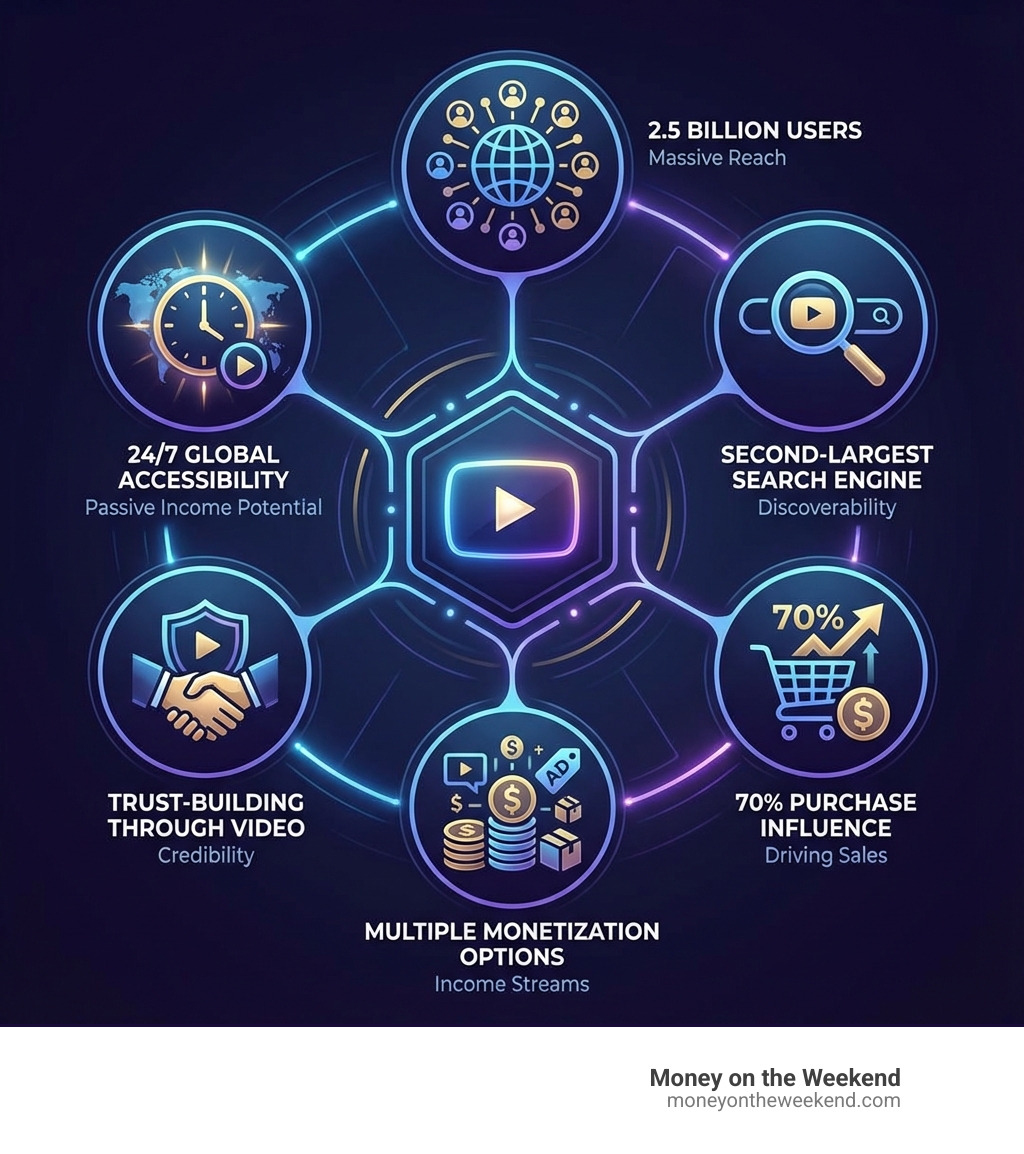
Youtube marketing strategy basics:
Step 1: Laying the Foundation for a Successful Channel
Before we even think about hitting record, we need to lay a solid foundation for our YouTube channel. Think of it like building a house – you wouldn’t start with the roof, right? A strong foundation ensures our youtube marketing strategy can stand the test of time and attract the right audience.
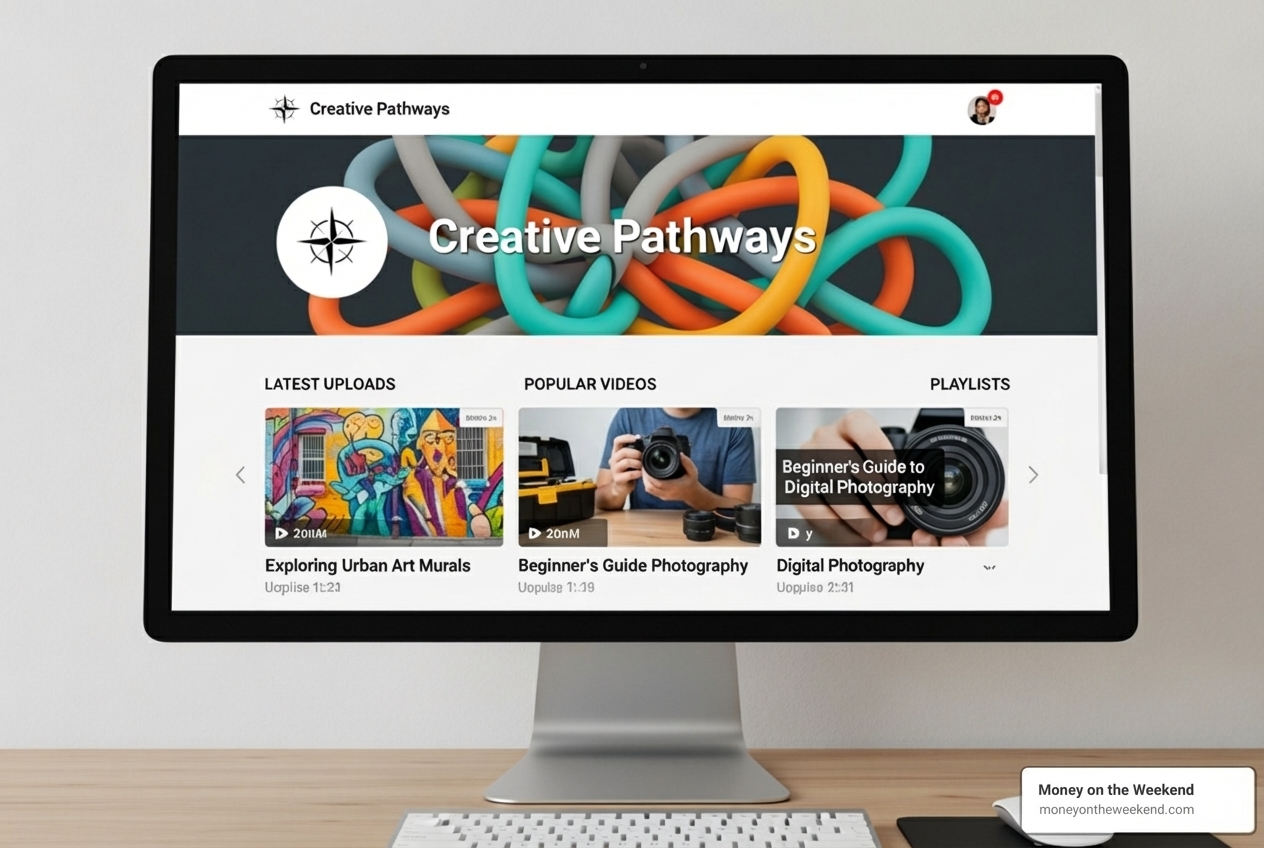
First things first, let’s talk about channel setup. For businesses, we highly recommend using a Brand Account. This allows for better management of editing permissions and helps maintain a professional online presence separate from a personal Google account. Once our account is ready, we’ll dive into consistent branding. Our channel art, profile picture, and “About” section should all scream “us!” and align perfectly with our overall brand identity. This consistent visual style and clear messaging help customers recognize us instantly and understand what we’re all about. If we’re looking for a comprehensive guide on setting up a channel that truly shines, we can check out our Create Great YouTube Channel Guide.
Next, we need to define our target audience. Who are we trying to reach? What problems can we solve for them? Creating detailed buyer personas helps us visualize our ideal viewer, making it easier to tailor content that truly resonates. We should also conduct a competitive analysis, perhaps a SWOT analysis, to identify what our competitors are doing well, where they might be falling short, and where we can carve out our unique niche. Understanding our audience and the competitive landscape is crucial for creating content that stands out.
Define Your Audience and Build a Community
Understanding our viewer demographics is paramount for an effective youtube marketing strategy. YouTube Studio’s “Audience” tab is our secret weapon here, providing invaluable insights into who is watching our videos, their age, gender, location, and even what other channels they watch. This data helps us refine our content strategy to better serve our community.
But it’s not just about understanding; it’s about interaction. Engaging with comments, using the Community Tab for polls and questions, and actively responding to feedback are essential for building trust and credibility. When viewers feel heard and valued, they’re more likely to stick around and become loyal subscribers. YouTube is a community, and engaging with our viewers shows them that we and our videos are worth consuming. We can explore more about what makes a channel truly great in our What Makes a Great YouTube Channel guide.
Set Up and Brand Your Channel for Authority
Our channel’s name is its first impression. Choosing a professional, niche-based channel name that is consistent with our other social media sites and overall branding is vital.
Once we have a great name, let’s create a channel trailer. This short, engaging video automatically plays for new visitors, giving them a quick preview of our brand and content, encouraging them to subscribe. For returning subscribers, we can set a featured video. Organizing our videos into logical playlists not only helps viewers steer our content but also encourages them to watch more, increasing our channel’s watch time. Customizing our channel layout with sections and featured videos creates a professional and user-friendly experience. If we’re just starting, our How to Start a YouTube Channel guide is an excellent resource.
Step 2: Developing Your Core YouTube Marketing Strategy
With our foundation set, it’s time to build the heart of our channel: our content. This involves a clear content strategy, often built around content pillars that align with our business goals. Think of content pillars as broad topics that we’ll consistently cover, attracting viewers at different stages of their journey (attract, engage, convert).
A well-planned content calendar and a consistent publishing schedule are non-negotiable. YouTube’s algorithm rewards regular uploads, and our audience will come to expect new content from us. This means deciding between long-form videos, which are great for in-depth tutorials and evergreen content, and short-form videos, perfect for quick tips and reaching new audiences. For some inspiration, explore our YouTube Video Ideas. Beyond our core content, we can also experiment with behind-the-scenes content, live streams, Q&A sessions, and premiere videos to offer unique experiences and deepen audience connection.
Crafting a Content-Focused YouTube Marketing Strategy
The types of videos we create are the lifeblood of our youtube marketing strategy. We want to focus on content that genuinely helps and engages our audience. Here’s a list of popular video types that often perform well:
- Tutorials and How-To Guides: These videos address specific problems or teach new skills, aligning perfectly with our mission to empower financial freedom. Think “How to set up your first affiliate marketing campaign” or “A beginner’s guide to passive income streams.”
- Product Reviews and Comparisons: Honest reviews and comparisons of tools, services, or products relevant to our niche can build immense trust. Viewers often turn to YouTube for product research before making a purchase; in fact, 70% of consumers bought a product after seeing it on YouTube.
- Customer Testimonials: Real stories from real people who have benefited from our advice or products are incredibly powerful. They build authenticity and social proof, with 89% of people saying watching a video has convinced them to buy a product or service.
- Vlogs: Vlogs can add authenticity by showcasing the human side of our brand. Sharing our journey, insights, or even a “day in the life” can create a personal connection with our audience.
- Educational Content (Explainers): Breaking down complex financial topics into easy-to-understand explainers can position us as an authority. 86% of US viewers use YouTube to learn new information, and 88% use it to expand their thinking.
The key is to align our content with our audience’s needs, solving their problems and providing immense value.
Leveraging YouTube Shorts for Rapid Growth
YouTube Shorts are a game-changer for any youtube marketing strategy, especially for reaching new audiences and driving rapid growth. These vertical video formats, limited to 60 seconds, are incredibly engaging. Consider this: there are Over 70 billion views every day on YouTube Shorts.
Shorts are perfect for quick tips, behind-the-scenes glimpses, or even repurposing snippets from our longer videos. They’re a fantastic way to capture attention in a environment. Many Gen Zers, for example, use short-form video to find products or creators before watching longer versions. In fact, 96% of Gen Zers in the U.S. say they watch both short-form and long-form videos on YouTube.
We can tap into trending audio and participate in challenges to boost findability, finding inspiration from our YouTube Challenges guide. Most importantly, Shorts can act as powerful trailers, promoting our longer, more in-depth videos and driving new subscribers to our main channel content.
Step 3: Optimizing for Findy and Driving Traffic
Creating amazing content is only half the battle; we also need to make sure people can actually find it! This is where optimization and driving traffic come into play. YouTube is the second-largest search engine, so we need to treat it like one.
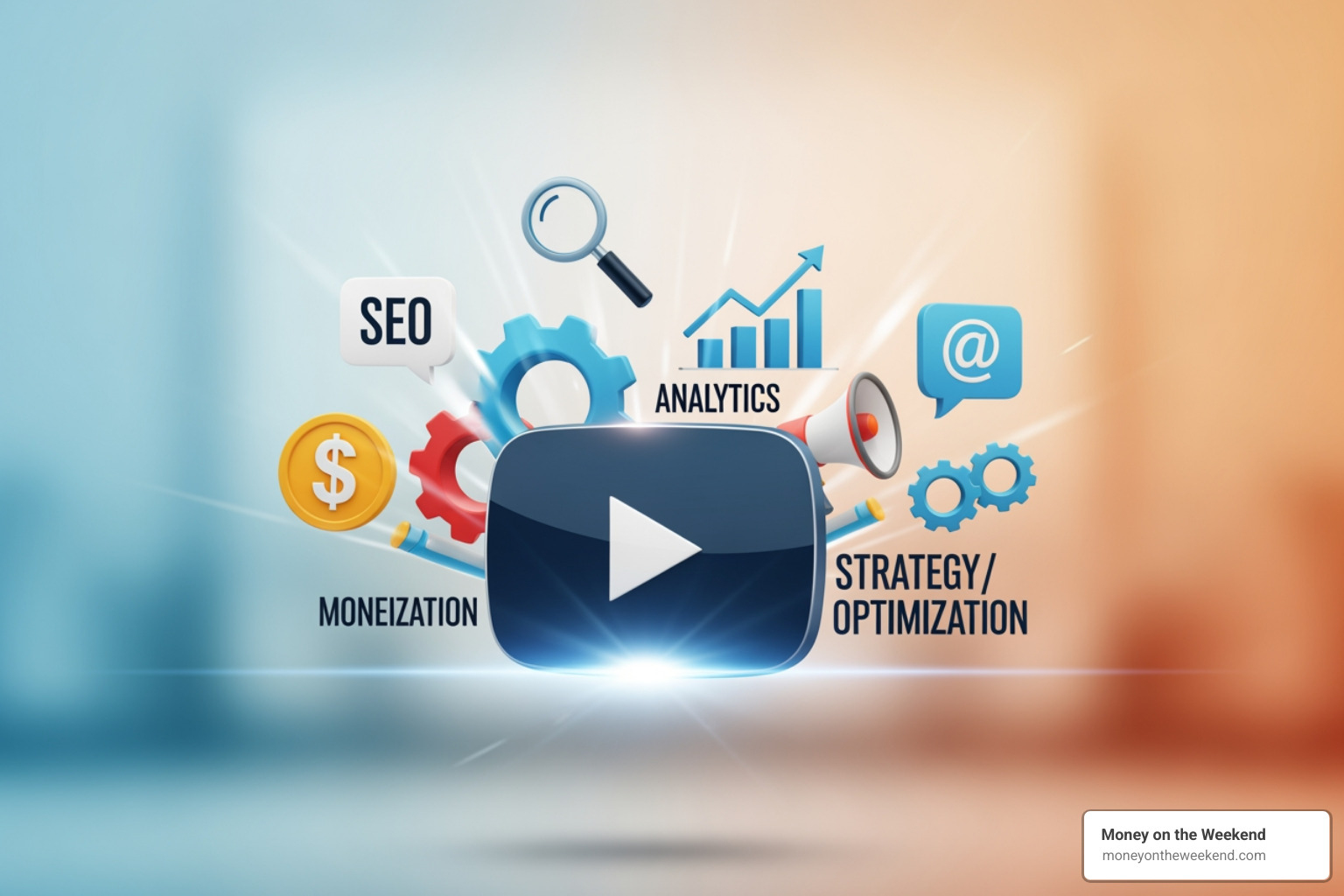
The YouTube algorithm is a complex beast, but we know it heavily favors videos with high watch time, audience retention, and session duration. This means viewers are watching our videos for longer, and they’re sticking around on the platform after watching our content. Beyond in-platform findability, we need to cross-promote our videos on other social media platforms, include them in our email newsletters, and embed them directly on our website to maximize reach.
Best Practices for YouTube SEO
YouTube SEO is crucial for getting our videos seen. It helps YouTube understand what our video is about so it can show it to the right people.
- Keyword Research: Just like with traditional SEO, we need to do our homework. Use tools like Google Trends to find out what our target audience is searching for. These keywords will form the backbone of our optimization efforts.
- Optimizing Video Titles: Our title is the first thing viewers see. It needs to be catchy, accurate, and include our primary keywords, ideally at the beginning. Keep them around 60 characters to avoid truncation in search results.
- Writing Compelling Descriptions: This is our chance to provide context and include more keywords. The first three lines (about 140 characters) are critical, as they’re visible before viewers click “Show More.” Always include important links or calls-to-action (CTAs) here. We should also consider including a video transcript in the description, as this adds a wealth of keywords for SEO.
- Using Relevant Tags and Hashtags: Tags help YouTube categorize our video and associate it with similar content. While their direct impact on ranking might be minimal, they still help with findability. Hashtags can also increase visibility in searches.
- Custom Thumbnails: This is arguably the most important element for click-through rate (CTR). A custom thumbnail that is visually striking, clear, and accurately represents our video’s content will make viewers stop scrolling. YouTube reports that “90% of the best-performing videos [on YouTube] have custom thumbnails.” We can learn more about optimizing our videos for search in this guide: How to Optimize your Youtube Videos for search.
Using YouTube Ads and Channel Partnerships
While organic growth is fantastic, sometimes we need a little boost. YouTube Ads can accelerate our reach and ensure our content gets in front of the right eyes. YouTube offers various ad formats custom to different marketing objectives:
| Ad Type | Description |
|---|---|
| Skippable In-Stream Ads | These ads play before, during, or after other videos. Viewers can skip them after 5 seconds. They can be up to 6 minutes long, but 60-90 seconds is often most effective. We only pay when a user watches at least 30 seconds or the entire ad if shorter, or interacts with it. |
| Non-Skippable Ads | Also play before, during, or after videos, but viewers cannot skip them. These ads are typically up to 15 seconds long. They’re great for delivering a concise message to a captive audience. |
| In-Feed Ads | These appear on the YouTube homepage, in search results, and as related videos on watch pages. They’re like organic video listings but with an “Ad” label. When a user clicks, they’re redirected to our promoted video. This format is great for product findy and driving traffic to our content. |
| Bumper Ads | Short, non-skippable ads up to 6 seconds long. They deliver a quick, memorable message and are ideal for increasing brand awareness. |
We can use precise targeting options, leveraging demographics, interests, and even remarketing lists to reach our ideal audience. Setting a budget is flexible, with many businesses starting at around $10 per day for local campaigns. For advanced campaign optimization, we can leverage AI-powered campaigns that seamlessly reach people across devices and placements where they watch YouTube.
Beyond paid ads, partnering with other YouTube channels can be incredibly beneficial. Finding relevant partners within the YouTube ecosystem whose audience aligns with ours allows for cross-promotion and reaching new viewers who are already interested in similar content. These collaborations can even be structured as Partnership ads, leveraging existing creator content for our campaigns. Measuring the ROI of these campaigns is crucial to ensure we’re getting the most bang for our buck.
Step 4: Measuring Success and Monetizing Your Efforts
Our youtube marketing strategy isn’t complete without a robust system for measuring what’s working and what’s not. This data-driven approach allows us to refine our content, optimize our efforts, and ultimately, grow our income.
We’ll focus on key performance indicators (KPIs) like views, click-through rate (CTR), average view duration, subscriber growth, and traffic sources. These metrics tell us not just how many people are watching, but how engaged they are and where they’re coming from. Understanding the YouTube Partner Program Terms is also essential if we plan to monetize through ads.
Building a Data-Driven YouTube Marketing Strategy with Analytics
Our best friend for understanding channel performance is YouTube Studio analytics. This dashboard provides a wealth of information:
- Views and Watch Time: How many people are watching and for how long. Watch time is a critical ranking factor for YouTube.
- Audience Retention: The graph here shows us exactly where viewers are dropping off in our videos. This is invaluable for refining our content structure and editing.
- Traffic Sources: Where are our viewers coming from? YouTube search, suggested videos, external sources? This helps us understand findability.
- Demographics: Who is watching our content? This helps us tailor future videos.
- Engagement Reports: What content is resonating? Which CTAs are working?
By regularly reviewing these insights, we can identify our top-performing videos, understand audience drop-off points, and refine our content based on data. We can even A/B test different thumbnails and titles to see what drives the most clicks. For more on turning views into income, check out How to Start Making Money on YouTube Fast.
Monetization Beyond Ads
While ad revenue is a common way to earn on YouTube, it’s certainly not the only one. We can diversify our income streams to build a more sustainable business.
- Affiliate Marketing: This is a fantastic way to earn passive income by promoting products or services we genuinely believe in. We can add affiliate links in our video descriptions, create dedicated review videos, or even integrate product recommendations naturally into our content. For a deep dive into this, explore Affiliate Marketing Passive Income.
- Selling Our Own Products or Merchandise: If we have our own digital products (eBooks, courses, templates) or physical merchandise, YouTube is an excellent platform to showcase and sell them directly to our engaged audience.
- Promoting Online Freelance Services: If we offer services like consulting, coaching, or content creation, our YouTube channel can serve as a powerful portfolio and lead generation tool.
- Driving Leads for a Business: Beyond direct sales, our YouTube content can generate leads for a larger business. This could involve promoting webinars, online courses, or simply encouraging viewers to sign up for our email list. Building Passive Income streams is what Money on the Weekend is all about!
Frequently Asked Questions about YouTube Marketing
Let’s address some common questions we often hear about building a youtube marketing strategy.
How much does it cost to start a YouTube channel?
The beauty of YouTube is that the initial costs can be incredibly low. We can literally start with just a smartphone! However, as we grow and aim for higher quality, potential investments can include a better camera, an external microphone, lighting equipment, and video editing software. The estimated costs can range from nearly free to thousands of dollars, depending on our ambitions and existing equipment. For a detailed breakdown, see How Much Does It Cost to Start a YouTube Channel?.
How many videos should I post a week?
When it comes to posting frequency, consistency triumphs over sheer quantity. It’s better to start with a manageable schedule, such as one high-quality video per week, and stick to it. The YouTube algorithm rewards regular uploads, and our audience will come to expect our content. As we gain experience and efficiency, we can gradually increase our output. The most important thing is to maintain quality, as audience retention is key.
Do YouTube Shorts help grow a channel?
Absolutely! Shorts are a powerful tool for findability and are an integral part of a modern youtube marketing strategy. They reach a different audience segment, often introducing new viewers to our channel. For example, 96% of Gen Zers in the U.S. say they watch both short-form and long-form videos on YouTube. Shorts can act as compelling trailers for our long-form content, effectively driving new subscribers to our main videos and helping us expand our reach.
Conclusion: Turn Your YouTube Channel into an Income Stream
Developing a robust youtube marketing strategy is no longer optional; it’s a necessity for anyone looking to build financial freedom through online income generation. We’ve covered the essential steps, from laying a solid foundation with channel setup and branding, to crafting compelling content, optimizing for findability, leveraging paid promotions, and carefully measuring our success.
YouTube is a dynamic platform that, when approached strategically, can become a powerful engine for our business. By consistently creating high-quality content that solves problems and provides value, engaging authentically with our audience, and intelligently using the platform’s tools for optimization and monetization, we can build a sustainable online business. We don’t just want views; we want engaged viewers who convert into loyal customers and contribute to our financial goals.
At Money on the Weekend, we believe in empowering individuals to find financial freedom in their spare time. YouTube offers an incredible avenue for this, whether it’s through passive income streams like affiliate marketing or promoting our online freelance services. The journey requires dedication and continuous learning, but the rewards—a thriving community and a growing income stream—are well worth the effort.
Ready to take your content to the next level? Explore our ultimate guide to content creation tools to find the resources you need to produce professional-grade videos and amplify your youtube marketing strategy.