
What Are Business Affiliate Programs & How They Work
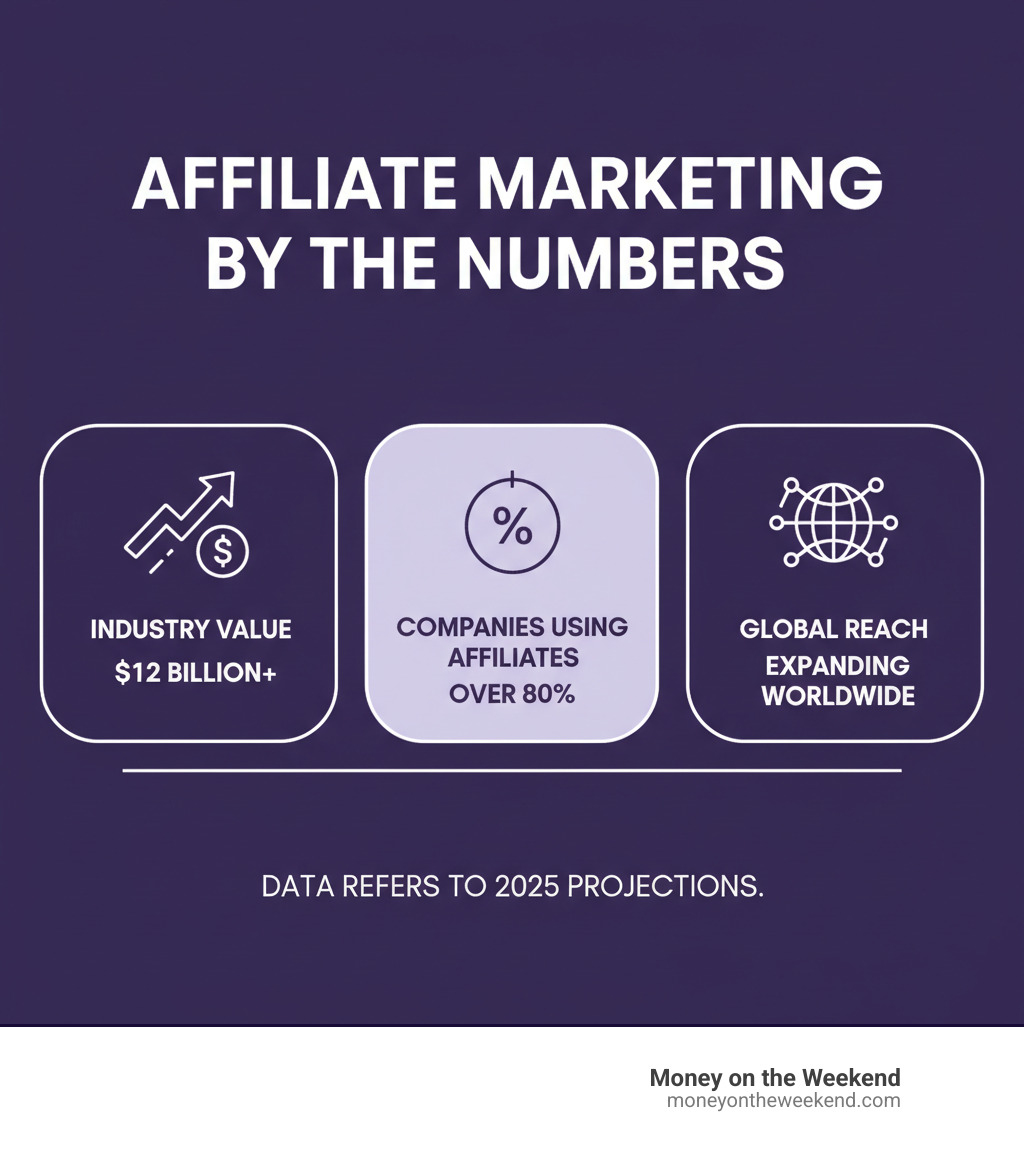
Business affiliate programs connect companies with individuals or businesses (affiliates) who promote their products or services for a commission. This win-win marketing strategy creates income for affiliates while driving sales for businesses. It’s a massive industry, valued at over $12 billion, with more than 80% of companies using it in their marketing.
Here’s how these programs operate:
- Company (Merchant): The business offering a product or service.
- Affiliate: The partner promoting the product via unique tracking links.
- Customer: The person who clicks the affiliate link and completes a desired action.
- Commission: The predetermined fee (percentage or flat rate) the affiliate earns.
This model allows businesses to expand their reach and affiliates to monetize their influence.
How to Choose the Right Affiliate Program
Choosing the right affiliate program is crucial, whether you’re an affiliate or a business owner. It’s about more than just the commission rate; it’s about finding a successful partnership.
Key Factors for Affiliates
When selecting business affiliate programs to promote, think of it as choosing business partners. The fit must be right for you and your audience.
- Commission Rates: While rates vary, successful affiliates often target 10% or higher. High-ticket items and SaaS subscriptions typically offer the best rates.
- Payout Methods: Ensure the payment method (e.g., direct deposit, PayPal) is reliable and convenient for you.
- Minimum Payout Threshold: This is the earnings minimum required for a payout, often ranging from $10 to $200. Lower thresholds are better for beginners.
- Cookie Duration: This is how long you get credit for a referral after the initial click. Longer durations (30, 60, or even 180 days) increase your earning potential.
- Product Relevance: Only promote products that genuinely resonate with your audience. Irrelevant promotions can damage the trust you’ve built.
- Brand Reputation: Partnering with well-known, trusted brands makes conversions easier, as they already have market credibility.
Need more tools and resources to support your affiliate marketing journey? Check out our page on more info about x services.
Key Factors for Businesses
If you’re a business looking to use business affiliate programs, your goal is to attract and retain quality affiliates.
- Choose the Right Software/Network: Your platform is the foundation for tracking referrals, managing commissions, and communicating with partners. Look for modern features like cookie-less tracking.
- Set Attractive Commissions: To recruit top affiliates, your rates must be competitive. For subscription products, recurring commissions are a powerful incentive.
- Provide Promotional Materials: Make it easy for affiliates to promote you by supplying ready-to-use banners, email templates, and product images.
- Establish Clear Terms and Conditions: Build trust with transparency. Clearly outline commission structures, payment schedules, cookie durations, and prohibited promotional methods.
Thinking about starting your own business with affiliate marketing built in from the beginning? We’ve got resources to help you start a business.
Here’s a quick comparison of common commission types:
| Commission Type | Description | Typical Niches | Benefits for Affiliates |
|---|---|---|---|
| Pay-Per-Sale (PPS) | Affiliate earns a percentage or flat fee for each completed sale. | E-commerce, Retail, Digital Products | Direct reward for conversions, often higher percentages |
| Pay-Per-Lead (PPL) | Affiliate earns for generating a qualified lead (e.g., sign-up, form submission). | Software trials, Financial services, Education | Easier to convert than sales, good for top-of-funnel |
| Recurring | Affiliate earns a percentage of subscription payments as long as the customer remains active. | SaaS, Membership sites, Subscription services | Predictable, passive income over time, high LTV |
The Ultimate List of Top Business Affiliate Programs
Ready to dive into some of the best business affiliate programs? We’ve gathered top-performing options across various industries, from high-paying tech to high-volume retail.
High-Paying SaaS & Tech Affiliate Programs
The SaaS and tech industry is a goldmine for affiliates, offering high recurring commissions, long cookie durations, and a professional B2B audience.

Here are some top contenders:
- Semrush: A leading SEO tool offering $200 per subscription sale, $10 per free trial, and a 120-day cookie duration. Learn more at Semrush.
- HubSpot: This all-in-one CRM platform provides a 30% recurring monthly rate for up to one year, with a 180-day cookie duration.
- Bluehost: A beginner-friendly web host with a 70% commission (up to $100 per sale). Explore their program at Bluehost’s affiliate program.
- WP Engine: A managed WordPress host offering a minimum of $100 per hosting plan sale and a 180-day cookie window.
- Kinsta: This premium WordPress host offers $50 to $500 per sale plus a 10% lifetime recurring commission.
- NordVPN: A top privacy tool with sign-up commissions from 40% to 100% and 30% recurring on renewals.
E-commerce & Retail Affiliate Programs
E-commerce and retail programs offer vast product selections and strong brand recognition. While commissions are often lower (1-10%), high sales volume can be very profitable.
- Amazon Associates Program: Earn up to 10% on millions of products from the world’s largest retailer. Sign up at Amazon Associates Affiliate Program.
- Etsy Affiliate Program: A great fit for audiences interested in handmade and vintage goods, offering around 4% commission. Learn more at Etsy Affiliate Program.
- eBay Partner Network: Monetize content by promoting new and used goods, with commissions varying by category.
- Shopify: Promote the leading e-commerce platform and earn up to $150 per full-price plan referral.
- Target: Offers up to 8% commission on a wide range of general retail products.
- Ollie: A pet meal delivery service offering a flat $60 for every paying customer.
Top Affiliate Networks for Business Affiliate Programs
Affiliate networks act as intermediaries, connecting affiliates with thousands of merchants under one roof. They provide centralized management, tracking, and access to a wide variety of business affiliate programs.
- ClickBank: A veteran network specializing in digital products, with a history of reliable payments. Get started at ClickBank.
- CJ (Commission Junction): One of the largest and oldest networks, partnering with major global brands. Visit their site at CJ – Commission Junction.
- ShareASale: An excellent network for finding thousands of merchants, including unique and lesser-known brands. Check it out here: ShareASale.
- PartnerStack: A platform dedicated to SaaS partnerships, ideal for tech-focused affiliates. Learn more at PartnerStack.
- Awin: Provides access to over 25,000 advertisers, including many major brands.
- Impact: Connects affiliates with top brands like Levi’s and Adidas, offering powerful automation tools.
Launching and Managing Your Own Affiliate Program
For businesses, launching and managing your own affiliate program is a low-risk way to acquire new customers and boost sales. It’s like having an enthusiastic sales team that converts traffic.
Steps to Launch a Program
Launching a successful business affiliate program involves a few key steps.

- Define Your Goals: Determine if you want to drive sales, generate leads, or increase brand awareness. Clear goals will guide your program’s structure.
- Choose a Commission Structure: Decide between Pay-Per-Sale (PPS), Pay-Per-Lead (PPL), or recurring commissions. Attractive rates are key to recruiting top affiliates.
- Select an Affiliate Platform: This software will be your control center for tracking, reporting, and affiliate management. You can use in-house solutions or join networks like PartnerStack or ShareASale.
- Recruit Affiliates: Actively seek out content creators and influencers in your niche whose audience aligns with your product. Direct outreach is often very effective.
If you’re thinking about starting a business that could benefit from an affiliate program, check out our guide: 10 Businesses You Can Start on a Budget in 2024.
Managing for Success
Effective management is what turns a program into a thriving income source.
- Provide Marketing Assets: Make it easy for your affiliates by giving them high-quality banners, ad copy, and product images.
- Communicate Regularly: Keep affiliates informed about new products, promotions, and program changes to foster a sense of community.
- Track Performance: Use your platform’s analytics to monitor sales, conversions, and top performers. Use this data to optimize your program.
- Prevent Fraud: Implement measures to detect and stop suspicious activity to ensure your program’s integrity and fair payouts.
- Support Your Affiliates: Encourage affiliates to create valuable content. For deeper expertise, consider hiring an affiliate program manager to handle daily operations. Explore our Content Creation resources for more tips.
Understanding Affiliate Marketing Mechanics
Let’s explore how business affiliate programs work behind the scenes. Understanding these mechanics will help you make smarter decisions, whether you’re joining programs or building your own.
Commission Structures and Payouts
Affiliate commissions aren’t one-size-fits-all. Understanding the different structures helps you choose programs that align with your goals.
- Pay-Per-Sale (PPS): The most common model. You earn a percentage or flat fee for each sale made through your link. Businesses like this model because they only pay for results.
- Pay-Per-Lead (PPL): You earn a commission when a referral completes a specific action, like signing up for a free trial. This is common in the software and financial services industries.
- One-Time vs. Recurring Commissions: One-time commissions are single payments for a sale, common in e-commerce. Recurring commissions, typical for SaaS and subscription services, pay you as long as the customer remains subscribed, creating a source of passive income.
- Payouts: Most programs pay via direct deposit or PayPal. Also, check the minimum payout threshold—the amount you must earn before you can cash out (e.g., $10 for Amazon Associates, $100 for Kinsta).
Want to know what kind of income is realistic? Check out our deep dive: How Much Money Can You Make With Affiliate Marketing?.
Evolution, Trends, and Legal Considerations for business affiliate programs
Affiliate marketing has evolved since its origins in the late 1980s and the launch of Amazon Associates in 1996. Staying aware of trends and legal rules is key to success.
- Future Trends: The industry is moving toward cookieless tracking due to increased privacy regulations. AI in marketing is also becoming crucial for optimizing campaigns and personalizing recommendations. The line between affiliate and influencer marketing continues to blur.
- FTC Disclosure Rules: The Federal Trade Commission (FTC) legally requires you to disclose your affiliate relationships. This transparency is essential for maintaining audience trust. See our Disclosure page for an example.
- Building Audience Trust: Trust is the foundation of successful affiliate marketing. Only promote products you believe in and that provide real value to your audience. This long-term approach separates successful affiliates from the rest.
The affiliate marketing industry is constantly evolving. For a comprehensive overview, read our full guide: What is Affiliate Marketing?.
Frequently Asked Questions about Affiliate Programs
Here are answers to some of the most common questions about business affiliate programs.
What is the easiest affiliate program to join for a beginner?
For beginners, look for programs with low entry barriers, a wide product range, strong brand recognition, and a user-friendly platform. The Amazon Associates Program is a great starting point. It’s easy to join, offers millions of products, and leverages Amazon’s trusted brand, leading to higher conversion rates despite lower commissions (1-10%). The ShareASale network is another excellent choice, providing access to thousands of merchants, many of whom are beginner-friendly.
Which affiliate programs pay the highest?
The highest-paying programs are typically in niches with high-ticket items, SaaS subscriptions, and financial products. Recurring commission models can be especially lucrative over time. Top examples in the SaaS world include Semrush ($200 per sale), HubSpot (30% recurring), and Kinsta ($50-$500 per sale plus 10% lifetime recurring). The key is to match these high-paying offers to your audience’s specific needs.
How do I start an affiliate program for my business?
Starting your own business affiliate program is a cost-effective way to scale. The basic steps are:
- Define Goals: Decide if you want sales, leads, or brand awareness.
- Set Competitive Commissions: Choose a structure (PPS, PPL, recurring) with rates that attract top talent.
- Select a Platform: Use an affiliate network like PartnerStack or ShareASale or an in-house solution for tracking and payments.
- Recruit & Support Affiliates: Actively find partners whose audience fits your brand. Provide them with marketing assets, clear terms, and ongoing support. For hands-on help, consider hiring an affiliate program manager.
Our guide on 10 Businesses You Can Start on a Budget in 2024 can help you incorporate this from the start.
Conclusion
Business affiliate programs are more than a trend; they are a vibrant, $12 billion industry offering a path to financial freedom for individuals and a powerful growth engine for companies. This win-win model connects businesses with promoters and creates opportunities for passive income.
Whether you’re an affiliate selecting programs or a business owner building one, the core principles for success are the same: choose wisely, manage effectively, and prioritize building trust. Following these principles will help you achieve your financial goals.
Ready to dive deeper into generating income through smart referrals? Explore our dedicated section on Passive Income: Affiliate Marketing to continue your journey with Money on the Weekend.