What is Affiliate Marketing Passive Income and How Can It Work for You?
Many people dream of earning money while they sleep. This is the promise of affiliate marketing passive income. But is it truly passive? The truth is, it requires significant upfront work, but the potential for passive earnings grows over time. The goal is to create systems and content that generate income around the clock, separating your earnings from the hours you work.
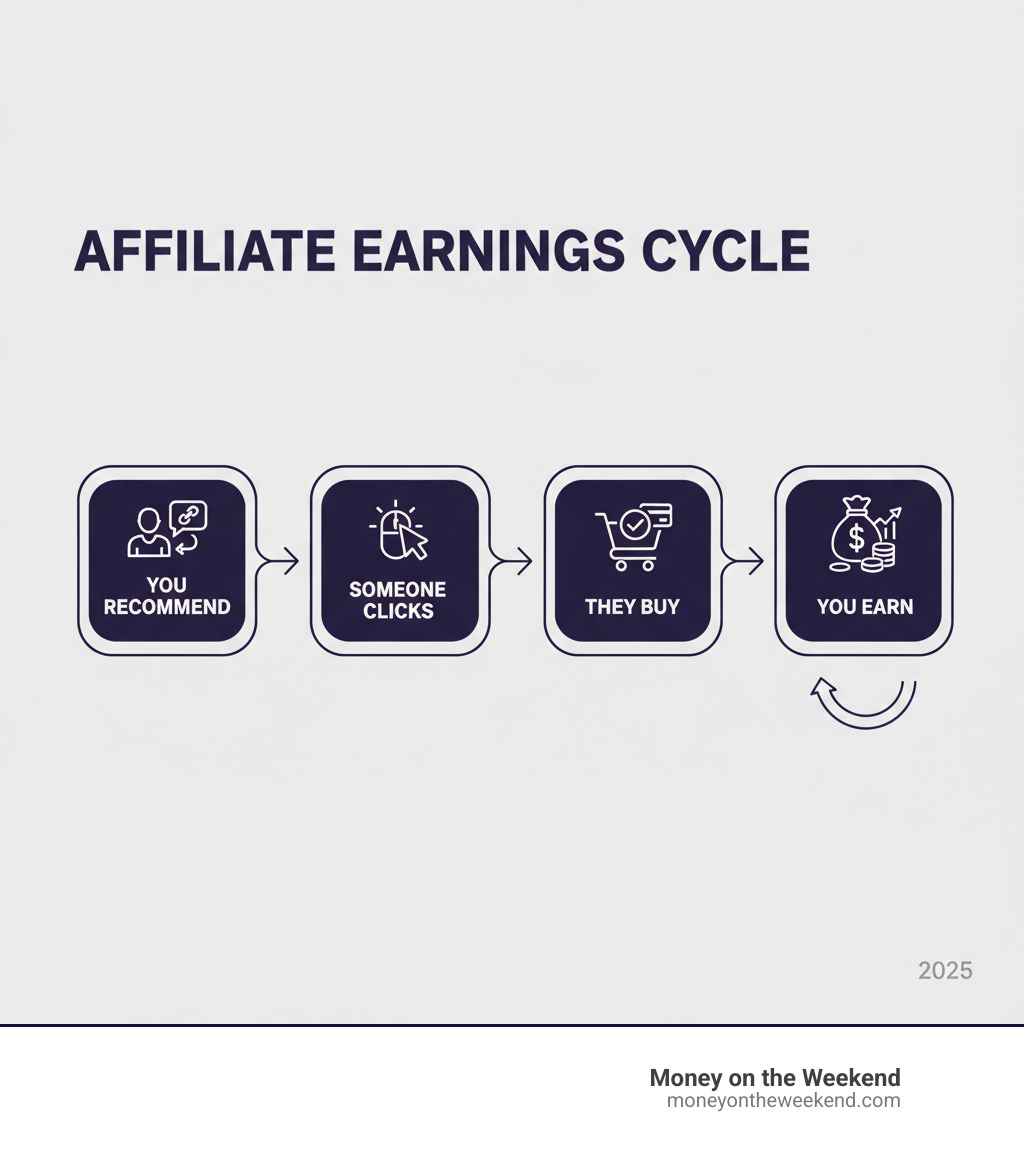
Affiliate marketing allows you to earn a commission by promoting products or services from other companies. When someone buys through your unique link, you get paid. This creates a win-win: companies get more sales, and you can earn income without creating your own products or requiring a large investment.
However, “passive” doesn’t mean “no work.” It means doing the work once and getting paid for it long after. Think of it as planting a tree: you put in the effort to plant and nurture it, and it eventually produces fruit for years to come.
The Core Concepts: What is Affiliate Marketing and How Does It Work?
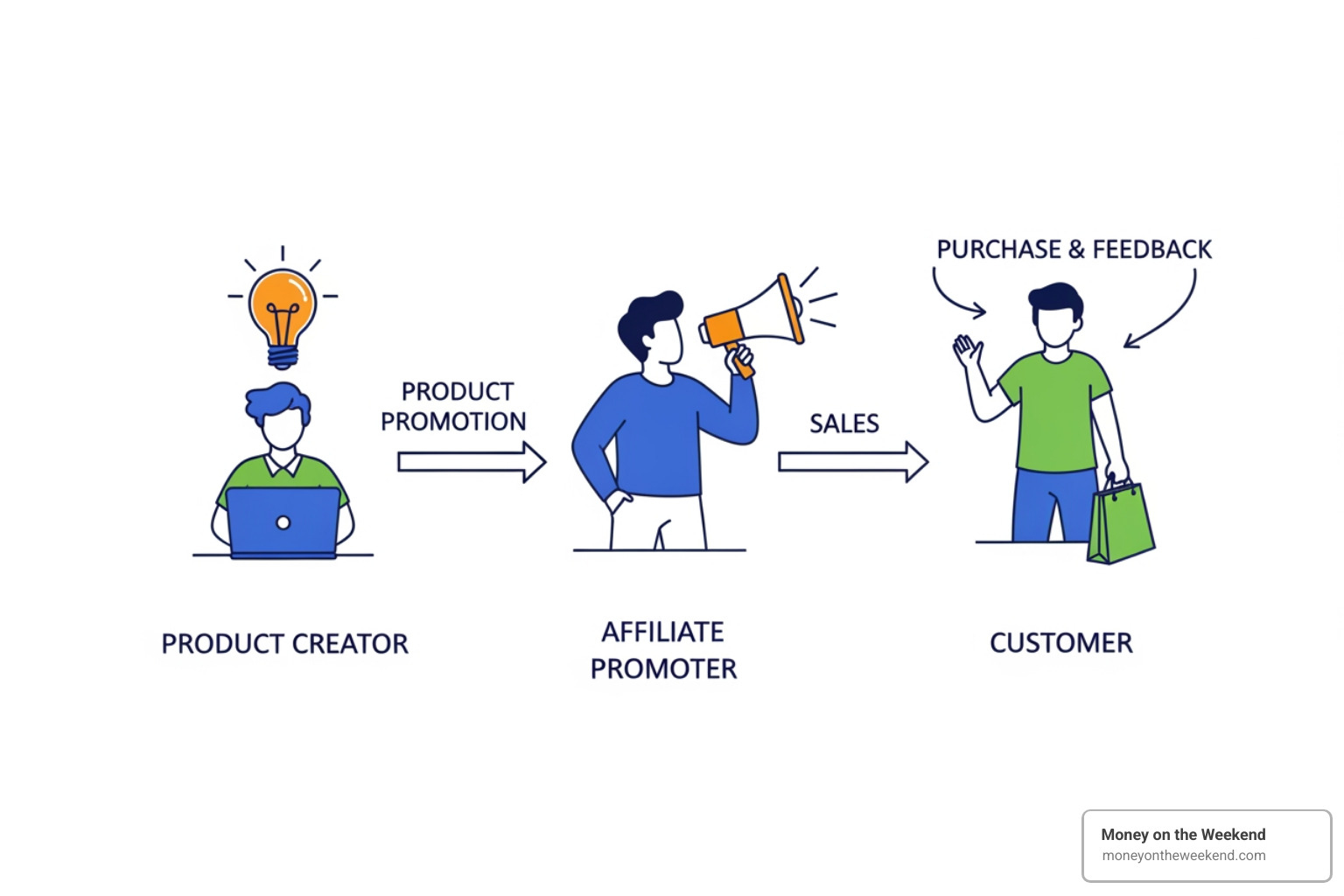
Affiliate marketing is a performance-based model where you earn a commission by promoting another company’s products. You act as a matchmaker, connecting customers with products you believe in. It’s a massive industry because it’s a win-win: as an affiliate, you don’t need your own product, inventory, or customer service. Your job is to introduce great products to the right audience. When they buy through your unique link, you earn a piece of the profit. For companies, it’s a results-driven marketing strategy, as they only pay for successful sales or leads.
How Do Affiliate Marketers Get Paid?
Understanding payment models is key. Commissions vary widely; digital products often offer higher rates (up to 50% or more) than physical products.
- Pay-per-sale (PPS): The most common model. You earn a percentage of the sale price when a customer buys through your link.
- Pay-per-lead (PPL): You get paid for generating a “lead,” such as a free trial signup or a form submission, even if no sale occurs.
- Pay-per-click (PPC): Less common now, this model pays a small fee for each click on your affiliate link, regardless of the outcome.
Companies track your referrals using “cookies,” small files stored on a user’s device. If a purchase is made within the cookie’s lifespan (which can be days or months), you get credit for the sale. Many programs have a minimum payout threshold you must reach before you receive your earnings.
| Commission Model | Description | Typical Payout |
|---|---|---|
| Pay-per-Sale | Earn a percentage of the final sale price. | 5-50% |
| Pay-per-Lead | Earn a fixed amount for generating a qualified lead (e.g., signup, form fill). | Fixed amount |
| Pay-per-Click | Earn a small amount for each click on your affiliate link. | Very low |
The Three Main Types of Affiliate Marketing
There are three main approaches to affiliate marketing:
Unattached Affiliate Marketing: This is a hands-off approach where you promote products without any connection to the niche, often through ads. It requires minimal involvement but lacks the trust needed for long-term success.
Related Affiliate Marketing: Here, you promote products relevant to your niche, even if you haven’t used them all personally. For example, a cooking blogger might recommend kitchen gadgets. This builds some trust due to your authority in the niche.
Involved Affiliate Marketing: This is the approach we champion. You promote products you have personally used and genuinely believe in. Your recommendations are authentic and based on experience. This deep involvement builds incredible trust with your audience, which is the key to creating a sustainable and ethical affiliate marketing passive income.
Achieving Affiliate Marketing Passive Income: From Active Hustle to Automated Earnings
The dream of affiliate marketing passive income begins with a period of very active work. Initially, you’ll invest significant time researching your niche, creating content, and building your online presence. This is the foundational hustle.
The magic happens when the content you create—blog posts, videos, and guides—becomes a long-term asset. This evergreen content can attract visitors and generate sales for months or even years with little ongoing effort. Paired with automated systems like email sequences, your work can earn money 24/7, effectively separating your income from the hours you work. This is the core of passive income: creating something once that continues to pay you.
What Makes Affiliate Marketing a Viable Source of Passive Income?
Affiliate marketing is a great passive income model for several reasons:
- Upfront Work vs. Ongoing Maintenance: Unlike a traditional job where pay stops when you stop working, the upfront effort in affiliate marketing has lasting value. After the initial creation and setup, your role shifts to less demanding maintenance and optimization.
- Constant Visitor Attraction: High-quality content optimized for search engines (SEO) can rank in Google and YouTube, attracting a steady stream of potential customers to your affiliate links day and night.
- Recurring Revenue Models: Promoting subscription-based products is a powerful strategy. You earn a commission not just on the initial sale but every time the customer renews. This “rebill revenue” creates a stable, predictable income stream.
- Long-Term Earning Potential: As your content library and reputation grow, so does your potential for consistent, long-term earnings. You’re building a valuable digital asset.
Active vs. Passive Effort in Affiliate Marketing
It’s helpful to distinguish between the active and passive phases. The initial active phase involves:
- Content Creation: Writing posts, recording videos, and designing graphics.
- Promotion: Sharing content on social media, building an email list, and engaging with your audience.
- System Setup: Choosing a platform and joining affiliate programs.
The passive results follow as your systems take over. Commissions come from old blog posts, automated emails convert leads, and subscriptions renew. While 100% “set it and forget it” income is a myth, the goal is to build a system where your earnings aren’t tied directly to your daily hours. This shift from active hustle to smart maintenance is what makes affiliate marketing passive income so appealing.

Your 7-Step Blueprint to Starting Affiliate Marketing
Ready to start your journey to affiliate marketing passive income? Here is a 7-step blueprint to guide you. The first step is building your platform, which could be a website, blog, YouTube channel, or a strong social media presence. A website offers the most control, but other platforms are great starting points.
Step 1 & 2: Choose Your Niche and Research Products
Step 1: Choose Your Niche. The foundation of success is choosing the right niche. Balance your passion and expertise with profitability. A specific sub-niche (e.g., “home gardening for apartment dwellers” instead of just “gardening”) can be less competitive and easier to dominate.
Step 2: Research Products. Find high-quality products that serve your audience’s needs. Look for items with a good reputation and commission rates that make sense for your efforts. Digital products often have higher commissions, and recurring revenue from subscriptions is ideal for building affiliate marketing passive income.
Some profitable niches include:
- Health and Wellness: A high-demand niche with products ranging from supplements to fitness courses.
- Tech Gadgets & Software: An changing market with new tools and devices.
- Personal Finance & Investment: A broad niche covering everything from budgeting apps to investment platforms.
- Hobbies and Travel: People love investing in their passions, from travel gear to online courses.
- Education & Online Learning: The demand for flexible learning options is booming.
Step 3 & 4: Join Programs and Create Valuable Content
Step 3: Join Affiliate Programs. Many companies have their own affiliate programs, which you can often find linked in their website’s footer. You can also join larger affiliate networks that host programs for many different brands. Focus on programs that align with your niche and audience.
Step 4: Create Valuable Content. This is the core of your strategy. Your goal is to provide immense value, not just push products. Create high-quality, relevant content like:
- In-depth blog posts and guides.
- Honest product reviews that cover pros and cons.
- Tutorials that show how to use a product to solve a problem.
- Video content for platforms like YouTube.
Always be transparent and only promote products you genuinely believe in to build trust.
Step 5, 6 & 7: Build an Audience, Promote, and Optimize
Step 5: Build an Audience. You need people to share your recommendations with. Build your audience through:
- Search Engine Optimization (SEO): Attract organic traffic by ranking your content in search results.
- Social Media: Engage with your target audience where they spend their time.
- Email Marketing: An email list gives you a direct line to your most engaged followers.
Step 6: Promote Your Products Effectively. Strategically place affiliate links within your content where they feel natural and helpful. Use clear calls-to-action (CTAs) that emphasize the product’s benefits.
Step 7: Monitor Analytics and Optimize. Use the tracking tools from your affiliate programs to see what’s working. Analyze your data to understand which content drives sales and which products convert best. Continuously refine your strategy to scale your affiliate marketing passive income.
Scaling and Sustainability: Long-Term Strategies and Pitfalls
Building sustainable affiliate marketing passive income is a marathon, not a sprint. To ensure long-term success, you must scale your efforts smartly and avoid common pitfalls. Be prepared for income fluctuations and potential changes in affiliate programs. Crucially, always follow search engine guidelines and focus on creating high-value content to maintain your online visibility.
Scaling Your Efforts for Long-Term Affiliate Marketing Passive Income
To grow your income sustainably, adopt these strategies:
- Diversify Your Income: Don’t rely on a single affiliate program. Join several relevant programs in your niche to protect your income stream from unexpected changes.
- Build a Recognizable Brand: A strong brand identity fosters trust and loyalty, making your audience more receptive to your recommendations.
- Create Your Own Products: As your audience grows, consider creating an e-book, online course, or tool. This complements your affiliate offers and gives you 100% of the profit.
- Outsource Content: To scale faster, hire skilled writers or video editors to help you produce more high-quality content without burning out.
- Master Email Automation: Set up automated email funnels to nurture leads and promote relevant products over time, creating a hands-off sales process.
Navigating the Risks and Legal Requirements
Operating ethically and legally is non-negotiable. Be aware of these key areas:
- Disclosure Requirements: You are legally required to be transparent about your affiliate relationships. Clearly state that you may earn a commission from your links. A visible affiliate disclaimer on your site is essential for building trust.
- Authenticity and Trust: Only promote products you genuinely believe in. Your audience’s trust is your most valuable asset.
- Business and Tax Considerations: Affiliate income is taxable. Keep meticulous records of your earnings and expenses. As your income grows, consult a tax professional to understand your obligations and determine if you need to register as a business. For general information, you can also explore this resource on business registration.
Frequently Asked Questions about Affiliate Marketing and Passive Income
Starting a new venture brings up questions. Here are answers to some of the most common queries about affiliate marketing passive income.
Do I need a website to start affiliate marketing?
No, you don’t absolutely need a website to start, though we highly recommend one for long-term control and stability. Many successful affiliates begin on other platforms:
- YouTube: Create review videos or tutorials and place affiliate links in the description.
- Social Media: Use platforms like Instagram or TikTok to share links in your bio or stories, provided you follow their rules.
- Email Marketing: Build an email list to share offers directly with an interested audience.
However, a website is your own digital real estate. It provides the most stable and scalable foundation for building a long-term affiliate marketing passive income.
How much can a beginner realistically earn?
Earning potential varies wildly. It can take a few months to a couple of years to see consistent income. A beginner might earn a few hundred dollars per month, while top “super affiliates” can make over $10,000 per month.
Your success depends on your niche, the products you promote, your audience size, content quality, and your ability to drive targeted traffic. Think of it as a long-term investment; consistency is the key to growing your income over time.
Can I promote products from multiple companies?
Yes, and you absolutely should! Promoting products from multiple companies is a smart strategy for several reasons:
- Income Diversification: It protects you if one program changes its terms or shuts down.
- Better Audience Service: Offering a variety of solutions and complementary products provides more value to your audience.
- More Earning Opportunities: Each relevant product is another potential source of commission.
The key is to ensure every product you promote is high-quality and genuinely relevant to your niche. Promoting too many unrelated items can erode the trust you’ve worked to build.
Conclusion: Your Journey to Financial Freedom Starts Here
We’ve covered the essentials of affiliate marketing passive income, from the core concepts to a step-by-step plan for getting started. While it requires initial active effort, the potential for building a sustainable income stream that works for you over the long term is immense.
The secret to success isn’t complicated: it’s a direct result of creating value. By focusing on your audience’s needs, offering honest recommendations, and consistently delivering high-quality content, you build trust—the most important currency in this business.
Here at Money on the Weekend, our mission is to empower you to find financial freedom in your spare time. We believe affiliate marketing is a powerful vehicle for achieving this goal. Your journey starts now, with the knowledge you’ve gained. Stay persistent, and remember that every piece of content you create is a seed for future growth. Ready to take that first step? Start your journey to financial freedom with our guides today!